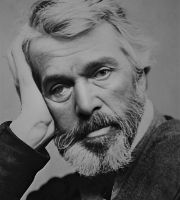
About Thomas Carlyle
Thomas Carlyle (1795–1881) was a Scottish historian, poet and critic. Born in Scotland into a humble family, he very early on renounced the ecclesiastical career to which he had been destined. After a truly difficult literary beginning, he married Jane Welsh in 1826, with whom he lived for more than six years in seclusion on a farm. Having finished writing “Sartor Resurtas”—an allegorical and satirical autobiography—in 1831, he did not find a publisher for it until 1838, after the success of his extensive and brilliant work on The French Revolution: A History (1837). Other important works include “On Heroes” (1841, a collection of lectures), “Past and Present” (1843), “Cromwell's Letters” (1845), “Latter-Day Pamphlets” (1850), and “Frederick the Great” (1865). The death of his wife and his illnesses cast a shadow over the last years of Carlyle's life, along with the unsettling remorse that appears in his Posthumous Memoirs.The most prominent characteristics of his work are the austerity inherited from Scottish Puritanism, his taste for German literature and philosophy, the explosive, vibrant, and disjointed violence of his writing, his vitalism, and his cult of the hero. His originality and ideological firmness, even when serving a sometimes nebulous line of thought, explain the considerable influence he has exerted. Born in the same year as Keats, but known at the same time as Dickens, he dominated English literature like an advisor revered by several generations of writers.
Browse all poems and texts published on Thomas Carlyle